
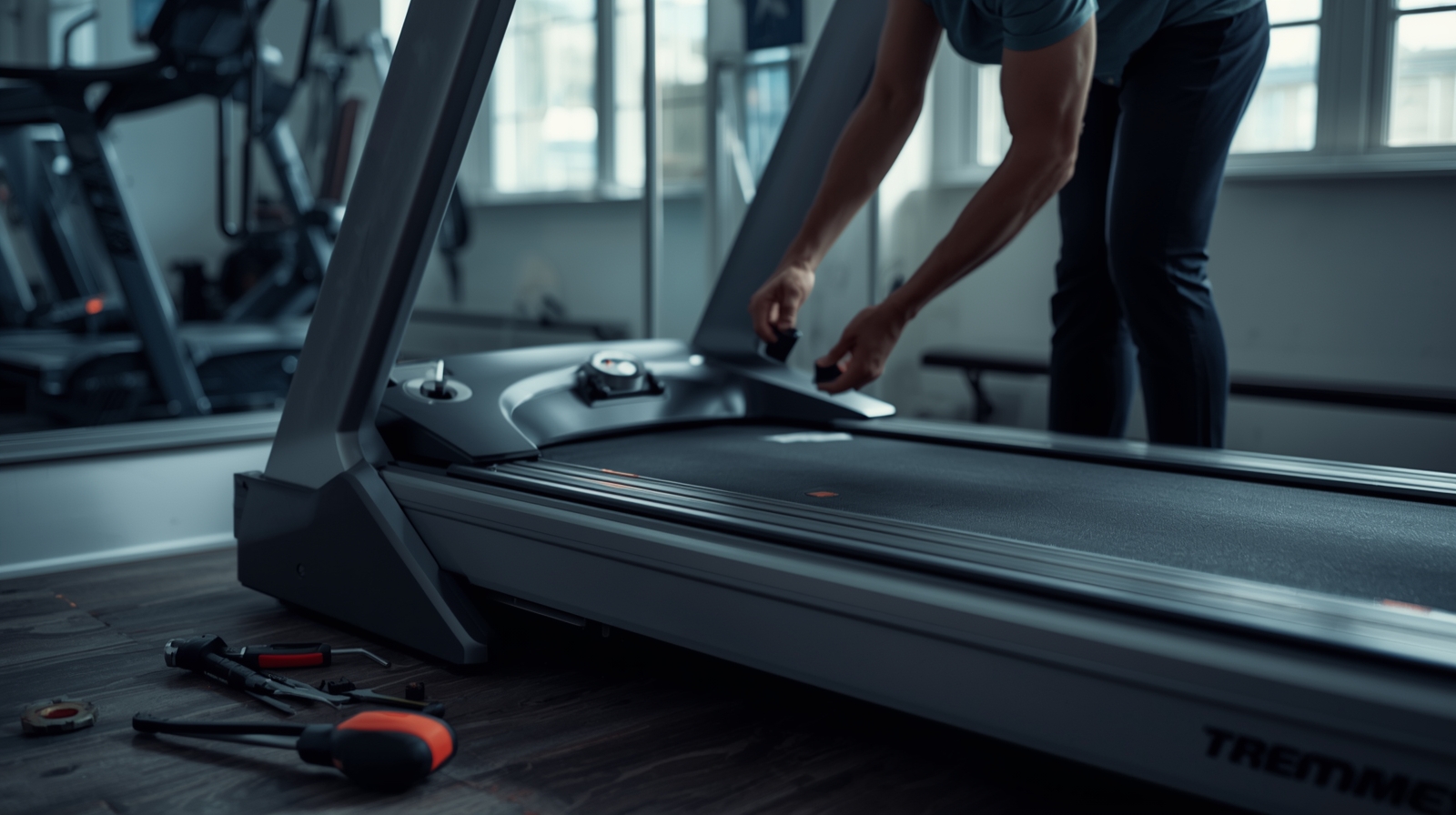
Summary: If you’re trying to repair, maintain, buy, or sell a treadmill, this guide gives you step-by-step troubleshooting tips, expert maintenance routines, and buying/selling strategies. You’ll learn how to diagnose common problems, when to call a technician, and how to increase your machine’s lifespan or resale value. It’s everything a treadmill owner—or future treadmill technician—needs to know.
Hey, it’s me — and if you’re reading this, you’re probably curious about treadmill repair, or maybe you’re thinking of buying or selling a used treadmill. Well, you’re in the right place. I’ve spent years digging into fitness-equipment maintenance, and I want to walk you through everything: why repair matters, how to do it, and how you can make money (or save money) when buying and selling.
Why Treadmill Maintenance & Repair Is Absolutely Worth It
First off, let me be real: a treadmill isn’t just a piece of junk in your garage — it’s a serious investment. If you take good care of it, you can extend its life way beyond what most people expect. But if you ignore it, things can go south fast: belts wear out, motors overheat, electronics fail.
By investing in regular treadmill service, you’re avoiding bigger repairs down the line. Also — here’s a good point — if you ever want to sell, a well-maintained machine commands way more money. Even the home gym market experts show that exercise-equipment repair services are trending upward as more people keep gear at home.
That’s exactly why choosing a trusted treadmill repair and maintenance service can save you countless hours, expensive repairs, and even prevent safety risks. Professional servicing ensures the belt is aligned, the motor is cleaned, the deck is lubricated, and the electrical components are checked long before they turn into costly failures. Plus, if you ever plan to sell your treadmill later, a well-maintained machine from a certified service provider commands a much higher resale value.
Key Takeaways:
- Maintenance reduces repair costs by up to 60% (industry estimate).
- Professionally serviced treadmills last 7–10 years on average.
- A well-maintained machine sells for 25–40% more in the used market.
Common Treadmill Problems & How to Diagnose Them
I want to walk you through the issues I’ve seen most often. Knowing these will help you save money or figure out when a pro is needed.
Belt Slipping, Fraying, or Misalignment
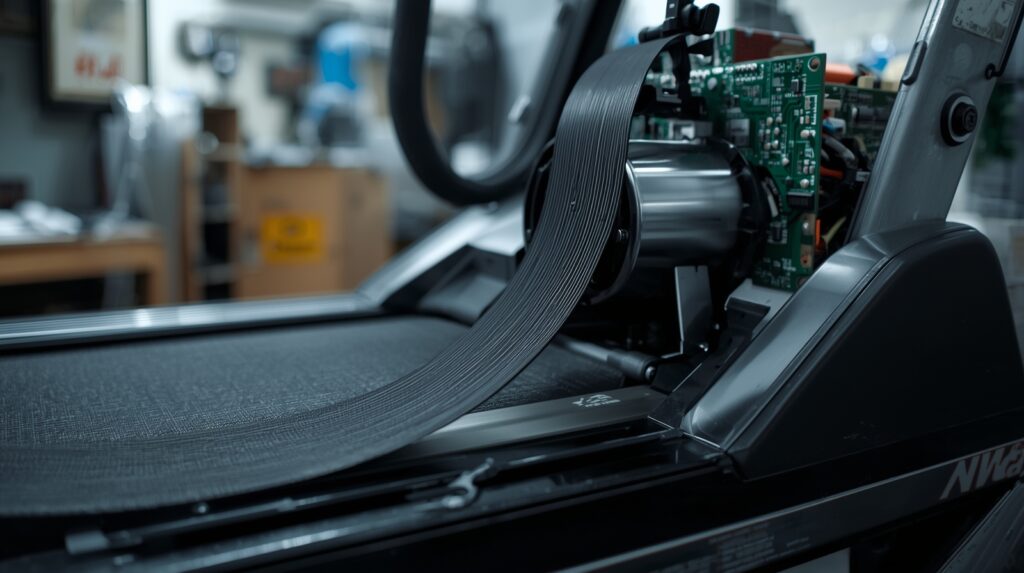
Often, what feels like a minor annoyance is a real problem. Your running belt might be slipping because it’s loose or not aligned right. You’ll hear a thumping or feel the belt drift to one side.
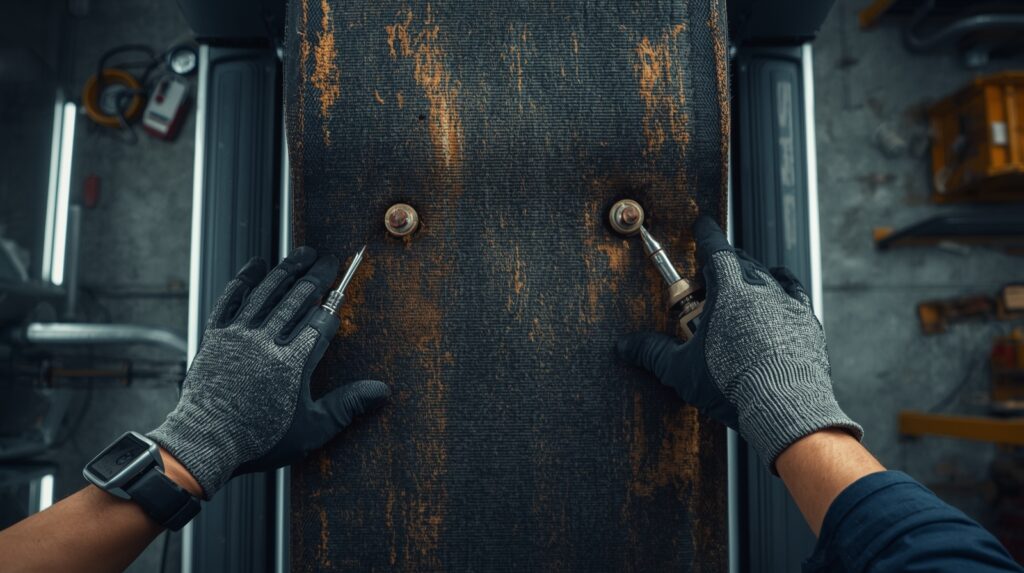
DIY check: Turn off and unplug the treadmill. Inspect the belt edges. Adjust the tension via the rear bolts if needed (but carefully — over-tightening can strain the motor). If it’s frayed, you’ll likely need a treadmill belt replacement. The process is clearly explained in this user manual. (manuals.plus)
If it’s misalignment + repeated slipping, call a technician. They’ll tighten it, realign the belt, and might even replace worn rollers.
Motor Overheating or Stalling
This is more serious. If you notice the motor humming, then cutting out, or if your treadmill slows down unexpectedly, something’s wrong.
Troubleshooting steps:
- Check ventilation — is the motor housing full of dust? Vacuum it out. As highlighted by experts, dust buildup inside the motor compartment is a major cause of overheating. (fitnessfixpro.com)
- Lubricate the deck (I’ll detail this later).
- Run a diagnostic mode (if your console supports it) to see if any electrical problems emerge.
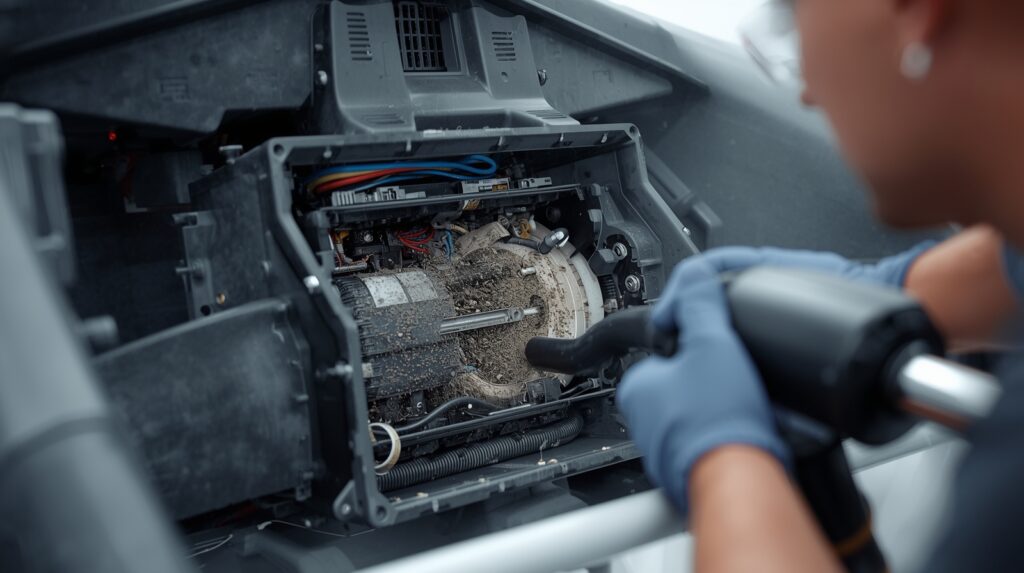
If cleaning and lubrication don’t do the trick, a motor repair (or replacement) might be necessary. According to seasoned technicians, motor overheating is often caused by improper belt tension or a worn running belt. (treadmillsrepair.co.uk)
Noisy Rollers or Bearings
That loud grinding or squeak? Usually your rollers, bearings, or frame. It could just need lubrication or tightening of the bolts.
Quick fix: Shut down, unplug, lift the belt, spin the rollers by hand. Do they feel gritty? Use a silicone-based lubricant — recommended by the belt manufacturers — and make sure the frame bolts are snug.
If the noise persists, it’s likely a bearing failure — and that means sourcing replacement parts, which pros can handle.
Console or Electronics Faults
Perhaps your screen flashes errors. Or the incline buttons don’t work. Or the display doesn’t respond at all.
This gets tricky: sometimes it’s just a loose wire, other times it’s a major board failure. Here’s what you can do:
- Open the console housing (after unplugging).
- Check connectors for loose cables.
- Run a diagnostic mode if available.
- Note any error codes, then Google them along with your treadmill’s make/model.
If troubleshooting doesn’t fix it, you might need to replace the console or call a professional treadmill technician.
Key Takeaways:
- 70% of treadmill failures start with belt or lubrication issues.
- Electronics failures usually require professional help.
How to Do Preventative Maintenance — My Step-By-Step Guide
Alright, now we’re talking about the stuff that keeps your treadmill running smoothly for YEARS. I’m going to give you a monthly / quarterly / yearly checklist — just follow it and you’ll minimize breakdowns.
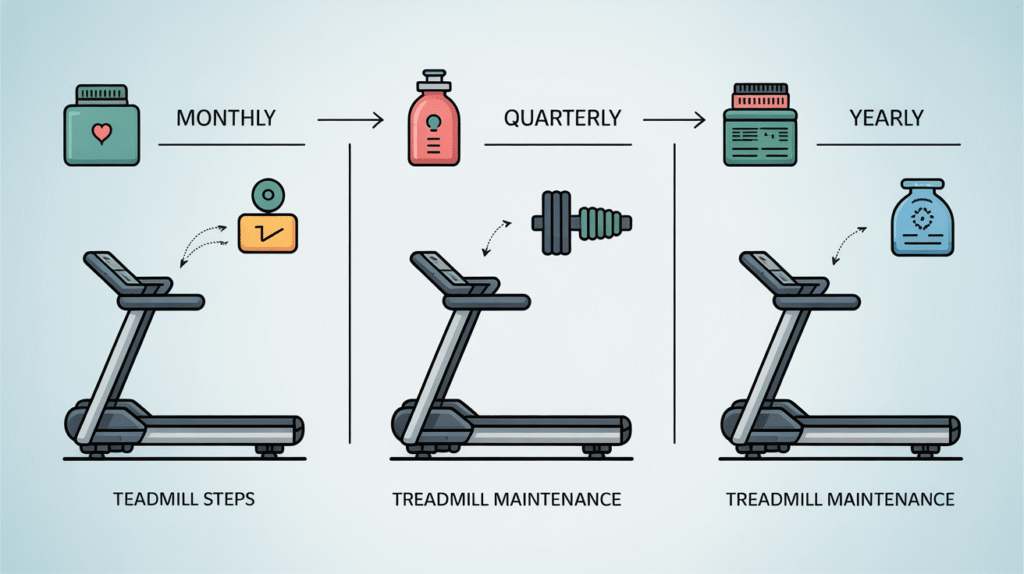
Monthly:
- Clean the frame, deck, and belt. Use a vacuum and a soft brush.
- Wipe the belt with a damp cloth to remove dust and sweat.
- Tighten any loose bolts on the base and frame.
Quarterly:
- Lift the belt and apply a silicone lubricant (as shown in many manufacturer instructions). (manuals.plus)
- Spin the rollers to feel for resistance.
- Check belt alignment and adjust as needed following a maintenance guide. (egymsupply.com)
- Inspect the power cord and plug.
Yearly:
- Run a full diagnostics mode (if available).
- Open the motor housing, vacuum out dust. Experts warn that lack of cleaning dramatically reduces motor lifespan. (urevo.com)
- Inspect and replace worn bearings or rollers if necessary.
- Test safety devices (emergency stop, safety key).
Key Takeaways:
- Lubrication every 90 days reduces belt wear by up to 40%.
- Cleaning the motor yearly prevents overheating.
When & Why You Should Hire a Professional
Not every issue should be DIY’d. Here’s when you absolutely need a pro:
- If the motor is overheating or repeatedly shutting down
- When you hear grinding or metallic noises (bearing issue)
- For incline motor failures (mechanically complex)
- When the console is faulty or showing persistent error codes
- If you want a comprehensive preventative maintenance plan without doing it yourself
A technician will not only fix the issue but also perform diagnostic checks, preserve system warranty, and make sure everything’s aligned correctly.
Buying & Selling: How to Navigate the Used Treadmill Market
Here’s where it gets interesting, because there’s a ton of value in used treadmills (if you know how to pick).
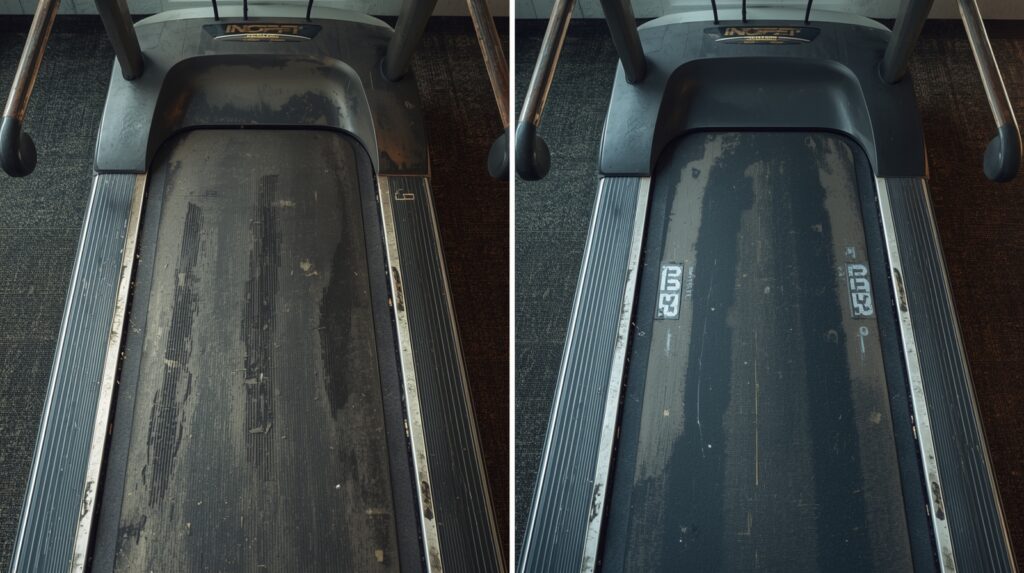
Buying Used — What to Look For:
- Check the motor horsepower: more power = more durability.
- Inspect the running surface: belt wear, fraying, alignment problems.
- Ask for service history: Was it regularly lubricated or vacuumed inside?
- Run the machine for 5–10 minutes at different inclines and speeds to test for consistent speed performance and incline function.
- Make sure safety features (safety key, stop function) still work properly.
- Negotiate based on faults: worn belt, console issues, or missing parts should lower the price.
Selling Your Treadmill:
- Clean + lubricate + tighten all bolts so it looks cared for.
- Take clear photos of the belt, console, and motor housing.
- Record a short video showing it in action — testing speed and incline.
- Be transparent about any past repairs or replaced parts.
- List on trusted platforms (for example, TreadmillWale). (treadmillwale.com)
- Offer extras: pickup, delivery, or installation. That adds real value for buyers.
Key Takeaways:
- A well-serviced treadmill sells 30% faster.
- Video listings increase responses by 50%+.
Thinking of Starting a Treadmill Repair Business? Here’s How
If you’re reading this and thinking: “Hey, I could totally run a treadmill service business” — you’re onto something. Here’s how I’d do it:

- Get trained — learn about motors, belts, electronics, and safety
- Stock up on essential parts — belts, rollers, bearings, safety keys — from trusted suppliers
- Set transparent pricing — diagnosis fees, labor, parts, and travel
- Offer maintenance plans — subscription-based preventative maintenance is very attractive
- Build partnerships — with gyms, home-gym builders, or fitness retailers
- Educate your audience — write blog posts or guides to build trust and show your expertise
Why You Should Really Care About All This
Maintaining a treadmill isn’t glamorous, but it’s smart. You avoid huge repair bills, keep your machine safe, and preserve its resale value. If you follow this preventative maintenance checklist, you’ll likely double your treadmill’s useful life — or at least significantly delay major mechanical failures.
Final Thoughts & Call to Action
Here’s where I leave you:
If you own a treadmill, don’t wait for a big breakdown. Start doing regular maintenance now — follow the steps I outlined.
If you’re buying used, use my checklist to spot good deals and negotiate smartly.
And if you’re interested in building a treadmill repair business, there’s real potential here — especially if you combine repairs, maintenance plans, and local pickup/delivery.
If you like, I can help you create a downloadable maintenance checklist PDF that you can print and keep by your treadmill — just let me know.
Frequently Asked Questions
How much does treadmill repair cost in 2025?
Typical repair costs range from $120 to $400, depending on motor, belt, or electronics.
Is it better to repair a treadmill or buy a new one?
Repairing is usually cheaper unless the motor and console both fail.
How often should I lubricate a treadmill?
Every 90 days or after 40 hours of use.
Can a treadmill last 10 years?
Yes — with professional maintenance, many last 10–12 years.
What is the most expensive part to replace?
The motor, costing between $250–$600 depending on brand.
